Are Dental Floss Sticks Actually as Effective as Traditional Floss for Your Teeth?
What Dental Floss Sticks Are and How They Compare to Traditional Floss
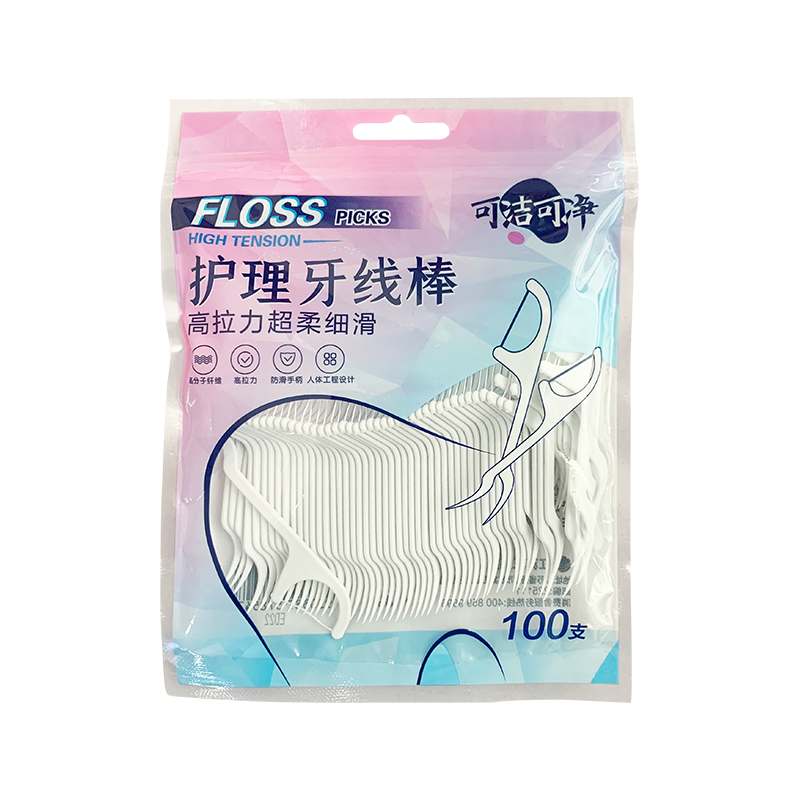
Dental floss sticks — also called floss picks or flossers — are small plastic handles with a short length of floss stretched between two prongs at one end, often with a toothpick tip at the other. They were designed to address one of the most common barriers to regular flossing: the awkwardness of wrapping thread floss around your fingers and maneuvering it to the back of your mouth. For people with limited hand mobility, those new to flossing, or anyone who finds traditional floss difficult to manage, floss sticks offer a more accessible entry point into interdental cleaning.
The core mechanical difference between a floss stick and traditional floss is control and reach. With string floss, you work with a fresh section of floss between each tooth, which prevents transferring bacteria and debris from one gap to another. A floss stick uses the same small segment of floss for the entire session. This doesn't make them unhygienic if used correctly — rinsing the floss between teeth removes most debris — but it is a design limitation worth understanding. In terms of reach and flexibility, string floss can be curved into a C-shape around each tooth and guided below the gumline with more precision. Floss sticks, due to the fixed tension of the floss between the prongs, offer less adaptability on curved or tightly spaced teeth.
Types of Dental Floss Sticks Available
Not all dental floss sticks are built the same way. Variations in floss type, handle design, and added features create meaningful differences in how they perform for different users and dental conditions.
Standard Floss Picks
The most widely sold format features a Y-shaped or F-shaped plastic handle with nylon floss stretched across the head. The nylon thread is typically either unwaxed or lightly waxed, and some versions use PTFE (polytetrafluoroethylene) floss, which glides more smoothly through tight contacts and is less likely to shred or snap under tension. Standard picks are designed for adults with normal spacing and work well for front and mid-mouth teeth. Reaching the very back molars requires a specific wrist angle that some users find uncomfortable, which is why extended-handle versions were developed.
Angled and Long-Handle Floss Sticks
Long-handle or angle-head floss sticks are designed specifically to reach posterior teeth — the molars and second premolars — without requiring extreme wrist contortion. The angled neck positions the floss head at a more accessible angle when reaching into the back of the mouth, which is particularly useful for people with smaller mouths or those who gag easily during dental care routines. Orthodontic patients with braces often benefit from long-handle picks because threading traditional floss under archwires is time-consuming, and the rigid handle of a floss pick makes navigating around brackets more manageable.
Kids' Floss Sticks
Children's floss sticks are smaller in scale, with a shorter floss span sized for the narrower spacing between baby and mixed dentition teeth. They often feature coloured handles or cartoon characters to make flossing more appealing to young children. Most paediatric dentists recommend starting flossing as soon as two teeth are in contact — typically between the ages of two and three — and children's floss sticks make it easier for a parent to floss a young child's teeth because the handle offers more control than wrapping floss around an adult's fingers inside a small mouth.
Floss Sticks with Activated Charcoal or Fluoride Coating
Some premium floss stick products include floss coated with activated charcoal, mint flavouring, or fluoride. Mint coating improves the sensory experience and can encourage more consistent use by making flossing feel fresher. Fluoride-coated floss delivers a small amount of fluoride to the interdental surfaces and just below the gumline, areas that toothbrushing cannot reach effectively. The fluoride levels deposited by floss are low but meaningful for people at higher risk of interproximal (between-tooth) cavities, according to dental research examining fluoride delivery through multiple vehicles.
Dental Floss Stick Comparison by Key Features
| Type | Best For | Molar Access | Special Feature |
| Standard pick | General adult use | Moderate | Toothpick tip |
| Long-handle / angled | Back molars, braces | Excellent | Angled neck design |
| Kids' floss stick | Children aged 2–10 | Good for small mouths | Smaller head, fun colours |
| Charcoal/mint coated | Freshness-focused users | Moderate | Enhanced sensory experience |
| Fluoride-coated | Cavity-prone individuals | Moderate | Interproximal fluoride delivery |
How to Use Dental Floss Sticks Correctly for Maximum Effectiveness
Using a floss stick correctly is not complicated, but there are several technique points that significantly affect how well it cleans. Most people use floss sticks in a straight up-and-down sawing motion, which removes food debris lodged between teeth but misses the bacterial plaque that accumulates just below the gumline — the area most responsible for gum disease and interproximal cavities.
The correct technique involves guiding the floss gently between the teeth using a zigzag motion rather than snapping it down, which can cut into the gum tissue. Once the floss is between the teeth, curve it into a C-shape against the side of one tooth and slide it gently beneath the gumline — typically 1 to 2 millimetres below the visible gum margin. Hold it there briefly and move it up and down against the tooth surface two or three times before repeating on the adjacent tooth surface in the same gap. This two-surface approach is essential: each gap between teeth has two tooth surfaces that need cleaning, and skipping to the next gap after only cleaning one surface leaves half the work undone.
- Start from the back and work forward. Beginning at the rearmost molar and working systematically toward the front ensures that no gaps are missed. Most people tend to focus on the teeth they can see easily and rush through the back teeth.
- Rinse the floss head between teeth. After cleaning each gap, rinse the floss head under running water or swish your mouth with water before moving to the next contact. This removes debris from the floss and prevents dragging bacteria from one site to another.
- Don't force the floss through tight contacts. If the floss snaps through a tight contact point rather than sliding through gradually, it can injure the gum tissue. Ease it through gently with a rocking side-to-side motion rather than forcing it straight down.
- Use a new floss stick if the floss frays. When the floss between the prongs begins to shred, its ability to remove plaque decreases and frayed ends can catch on rough tooth surfaces or restorations. Discard and replace the pick rather than continuing with a damaged head.
- Floss before brushing, not after. Flossing before brushing dislodges interdental plaque and food particles, which are then swept away and fluoride from toothpaste can reach the interdental surfaces more effectively during brushing. Research published in dental journals supports this sequence for improved plaque removal.
Who Benefits Most from Using Floss Sticks Over String Floss
Dental professionals generally consider proper technique with any interdental cleaning method more important than the specific tool used. That said, floss sticks offer clear practical advantages for certain groups of people that make them the more likely route to consistent daily flossing.
People with arthritis, reduced grip strength, or other conditions affecting fine motor control often struggle to manipulate string floss effectively. The solid handle of a floss stick requires far less finger dexterity and eliminates the need to wrap floss around fingers, which can restrict circulation and is painful for anyone with joint inflammation. Similarly, people who wear dental bridges or have implant-supported prosthetics often find that floss sticks navigate around their restorations more easily than threading string floss, though specific bridge threaders or superfloss remain the most thorough option for cleaning beneath bridge pontics.
For people who are establishing a flossing habit for the first time — a group that represents the majority of adults in many countries — the lower barrier to entry that floss sticks provide translates directly into better compliance. A person who flosses daily with a floss stick achieves significantly better oral health outcomes than someone who intends to floss with string floss but skips it most evenings because the process feels cumbersome. In this context, floss sticks are not a compromise but a practical solution that delivers real preventive dental benefit.
Environmental Considerations and Sustainable Alternatives
The environmental footprint of single-use plastic floss sticks is a legitimate concern. Each pick is used once and discarded, and the small plastic handle is not recyclable through standard household recycling streams. For regular users, this generates a significant volume of plastic waste over time — a family of four using one floss stick each per day produces over 1,400 plastic picks annually. Several manufacturers have responded to this by developing floss sticks with handles made from plant-based bioplastics, recycled materials, or bamboo, which decompose more readily or reduce reliance on virgin petroleum-based plastics.
Another option for environmentally conscious users is a reusable floss pick holder — a device with a handle designed to accept standard spool floss, which is loaded by the user and replaced when the floss wears out. This retains the ergonomic advantage of a handle while eliminating the disposable plastic component entirely. For those committed to reducing plastic waste without sacrificing flossing convenience, these reusable systems offer the most sustainable long-term approach without requiring a return to the technique challenges of traditional string floss.